1. How do MDF and plywood compare for different cabinet parts?
Start with the part you are buying. Doors, cabinet boxes, shelves and backs need separate specifications; one material label cannot describe an entire kitchen.
MDF, or medium-density fibreboard, is made from wood fibres bonded into a panel. Plywood is made from bonded layers of wood veneer, generally laid with alternating grain directions. The European Panel Federation’s MDF overview and APA’s plywood introduction explain these different constructions.
Use the comparison below to organise the discussion. It is a selection checklist; the actual panel product and finished construction still need approval.
| Cabinet part | What to review with MDF | What to review with plywood |
|---|---|---|
| Painted or profiled fronts | Smooth surface, profile and finished edges | Face preparation, surface finish and edge treatment |
| Cabinet boxes | Panel product, thickness and joint design | Panel product, grade, thickness and joint design |
| Shelves | Span, contents and support arrangement | Span, contents, panel construction and supports |
| Backs and exposed ends | Separate material, thickness and finish | Separate material, thickness and finish |
| Areas near plumbing | Permitted use and protected openings | Permitted use, panel specification and protected openings |
A painted front can sit on a box made from a different board. A wood-grain surface can also cover different cores. Ask for the core and finish as separate entries, even when the outside appearance is the same.
Our cabinet materials guide covers the wider material and finish choices. For this comparison, we recommend making one decision per component before requesting a complete price.
2. Which should you choose for painted doors and visible finishes?
MDF is worth considering for painted or routed fronts because of its smooth surface and profiling characteristics. Approve the proposed finished door, including its edges and reverse face.
The European Panel Federation’s guidance on MDF doors and drawer fronts describes painted single-panel doors, framed constructions and surfaced options. Its examples show why the door construction and finishing process should be specified together. They provide a basis for discussing a design; the actual product and finished sample still need approval.
Check the complete finish
Ask whether the front is a flat slab, a routed panel or a framed construction. Then record the core, finished thickness, visible surface and treatment of the edges. Paint, laminate, foil and wood veneer describe different surface choices; none of those names alone identifies the whole door.
With plywood, inspect the proposed face and finished edge on the actual sample. If a layered edge is intended to remain visible, agree its appearance before the order. If the edge will be covered, ask what the finished result should look like.
Compare samples in the intended light and check the handle area, corners and reverse face. A colour chip helps with colour selection, but a finished door sample shows more of the proposed construction.
Use our MDF kitchen cabinet page to discuss the front design, then put the agreed panel and finish combination into the quotation.
3. What matters for cabinet boxes, shelves and hardware?
Compare the assembled design: panel specification, shelf span, supports, joints, backs and fixings. The word MDF or plywood does not establish a safe load for a completed cabinet.
For a cabinet box, record the sides, bottom, top and back separately. Ask how the back is fitted and how the panels connect. A quotation that names the side panels but leaves the back unspecified is still missing part of the construction.
Ask about the intended use
For each shelf, identify its clear span, intended contents and support arrangement. Ask the supplier to explain the proposed panel and any reinforcement for that application. Avoid accepting a load figure without the dimensions, supports and assessment conditions behind it.
APA’s plywood guidance discusses veneer selection, panel construction and product-specific design information. Its structural-panel information applies within that stated scope; it cannot certify every cabinet panel offered by a supplier. Request data that identifies the actual proposed product.
The same care applies to hinges and drawer runners. Record the hardware model, door or drawer dimensions and fixing method. Ask whether the proposed combination is compatible, and how the connection will be checked where performance matters.
Our plywood kitchen cabinet page is a starting point for discussing these component choices. Keep the cabinet drawing, panel schedule and hardware list consistent when comparing alternatives.
4. Are moisture-resistant MDF and plywood waterproof?
Do not treat either material name as a waterproof guarantee. Check the exact panel’s permitted use, then agree how the cabinet’s edges, joints and plumbing openings will be protected.
The manufacturer’s MEDITE MR guidance gives a useful example: that named moisture-resistant MDF product is intended for interior humid conditions, including kitchens and bathrooms, but is not waterproof and should be protected from wetting. This example does not identify or approve the board in your quotation.
For plywood, request the specific panel product, grade and relevant bonding or exposure information. Ask the supplier to explain its suitability for the intended cabinet location. A general plywood label leaves those details unresolved.
Mark the areas needing attention
Show the sink base, dishwasher position and plumbing openings on the kitchen drawing. Ask what happens to exposed edges and newly cut openings, including alterations made during installation. Record who will complete that work and which instructions they will follow.
Separate normal interior humidity, occasional splashes and an ongoing leak when describing the intended conditions. Ask for the applicable care instructions and address leaks promptly.
Before approval, write down the actual panel reference and agreed construction details. A green core, a glossy surface or a reassuring product name cannot replace those answers.
5. How do you compare MDF and plywood cabinet prices fairly?
Request two quotations for the same cabinet schedule, changing only the material option you want to compare. A panel price alone does not show the cost of the complete kitchen.
Align the layout, quantities, cabinet dimensions, front design, finishes, hardware and internal accessories first. Identify exactly which components change between the MDF and plywood options. Otherwise, the price difference may include several design changes at once.
For example, ask for an alternative box panel while keeping the fronts and fittings the same. Have the supplier identify any related change to joints, finishing or assembly. This makes the difference easier to review and discuss.
Compare what is included
Check packaging, transport, site work and other quoted items separately. Mark each as included, excluded or awaiting confirmation. Use the same currency, quantities and delivery basis for both offers so that the totals describe a comparable scope.
There is no project-specific saving to calculate until those matched quotations exist. A material name cannot provide a dependable saving percentage for your project. If a supplier proposes a cheaper alternative, ask which specification changes and what evidence supports its suitability for your intended use.
Our cabinetry quote request guide helps you collect the inputs. Keep the material schedule attached to each offer and request a revised version whenever a component changes.
6. What should you approve before placing an order?
Approve matching samples, component specifications, drawings and quotation scope. Unresolved material choices should stay visible until the supplier’s proposal has been checked and agreed.
Start with a material schedule. For each component, record the proposed board or product reference, grade, thickness, surface finish, edge treatment and relevant drawing or sample reference. Mark unknown entries as “to be confirmed” rather than filling them with assumed standard values.
For instance, an enquiry can say: “Cabinet box sides: plywood option requested; product, grade, thickness and joint details to be confirmed against the layout.” This is a request for a proposal, not an approved supply specification.
Use the following checks before releasing the order:
| Approval item | Check before signing off |
|---|---|
| Material schedule | Each component names the agreed product and specification |
| Finished samples | Face, edge and reverse match the proposed construction |
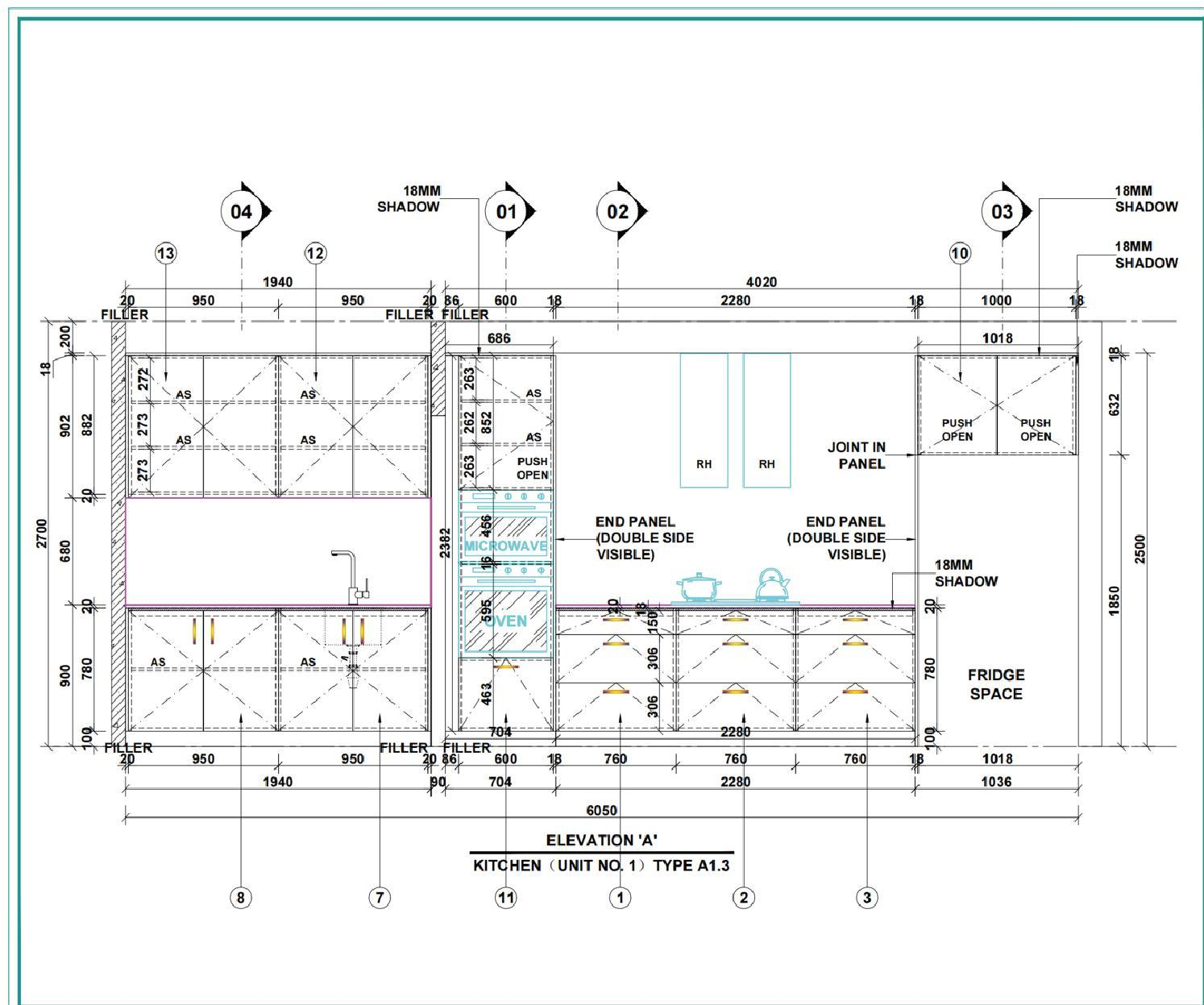
| Drawings and hardware | Dimensions, backs, supports and fittings agree with the schedule |
| Product documents | Any required declaration or report identifies the relevant product and requirement |
| Quotation | Materials, quantities, inclusions and exclusions match the approved scope |
| Approval references | Sample, drawing and quotation versions are recorded together |
If documents disagree, resolve the difference in writing. A finish sample helps you judge appearance; product information and applicable reports answer different questions. Check that each document refers to the item actually proposed for the order.
One configuration to price is MDF fronts with separately specified plywood boxes. Treat it as an option to assess against the design, finish and exposure conditions. Foshan Bridge’s procurement recommendation is to make the component choices clear before comparing the complete offer.
Conclusion
Choose materials by component, then approve matching samples, drawings and quotation details. Discuss unresolved material choices with Foshan Bridge.