

Low Closed Office Cabinet
Discuss controlled access within a lower storage run and identify the doors or compartments to be locked.
Discuss This Layout
Define who needs access, and to what.
Plan lockable office cabinets around the items that need controlled access. Describe the locking scope, users and key arrangements before selecting the cabinet and hardware.

Lockable office cabinets should be specified around what is stored and who may retrieve it. Distinguish everyday access control from any separately required tested protection, then confirm the selected cabinet and lock arrangement.
State whether the requirement applies to a door, drawer or separate section.
Discuss shared access, individual allocation and replacement-key arrangements.
Check lock compatibility and the applicable supply details for the selected cabinet.
Design references
Compare cabinet layouts to discuss with an access-control requirement. These are layout references; the quotation must identify which sections lock and the actual compatible hardware.
Discuss controlled access within a lower storage run and identify the doors or compartments to be locked.
Discuss This Layout
Plan a higher cabinet arrangement with the locking scope, shelf layout and access needs clearly stated.
Discuss This Layout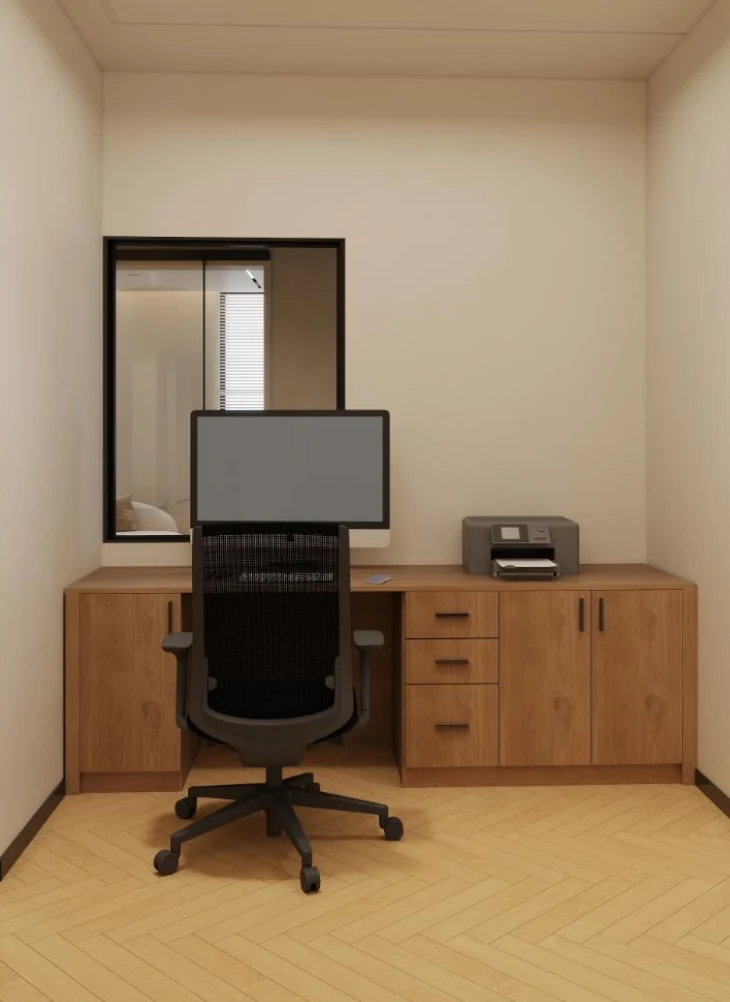
Allocate a cabinet near the workstation and request the lock and key arrangement appropriate to that user.
Discuss This Layout
Identify which compartments are shared and which require individual access before selecting the hardware.
Discuss This Layout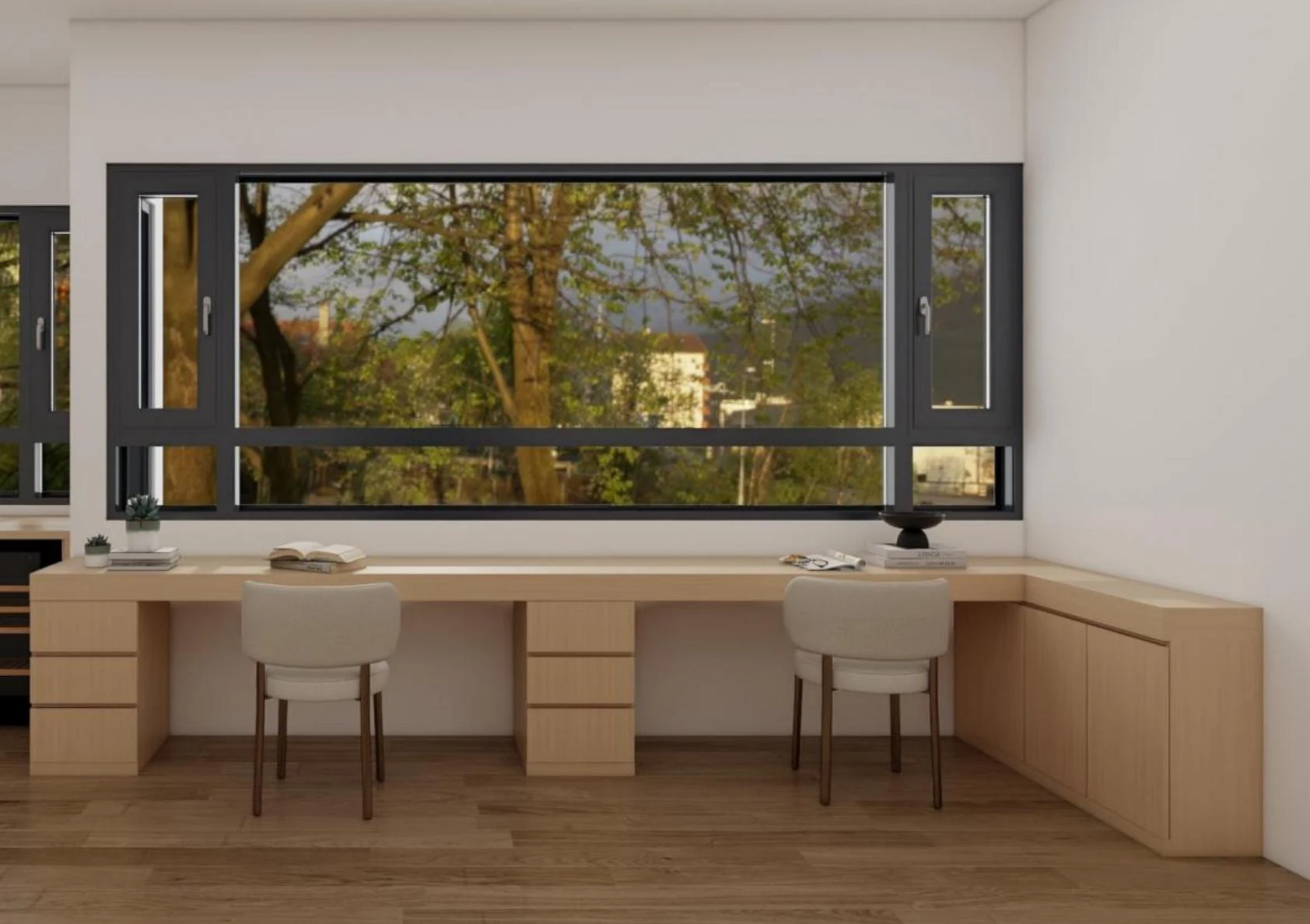
Describe the drawer or group of drawers that must remain closed, then confirm the proposed locking method.
Discuss This Layout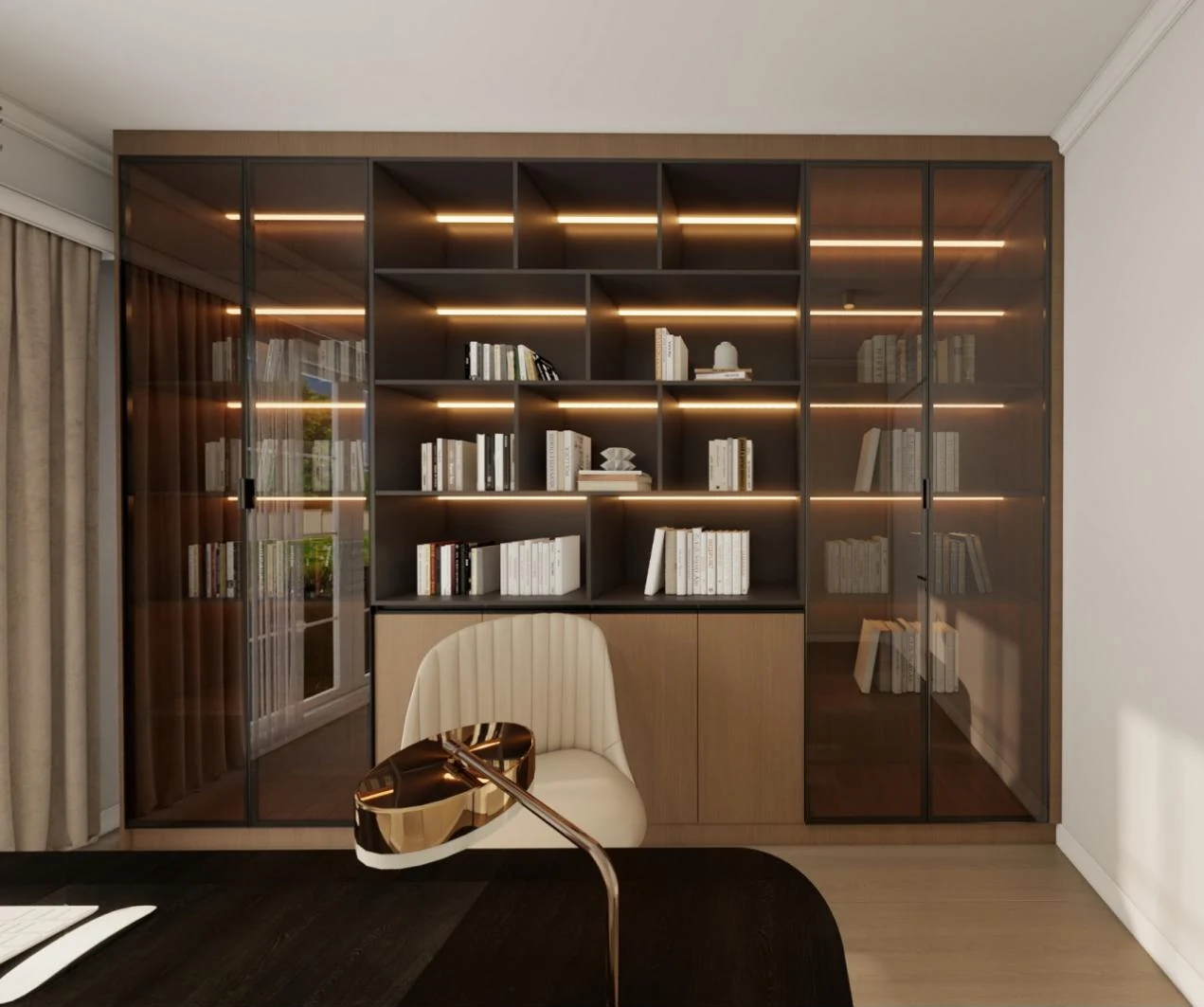
Discuss restricted access behind glazed fronts without assuming a security or protection rating.
Discuss This Layout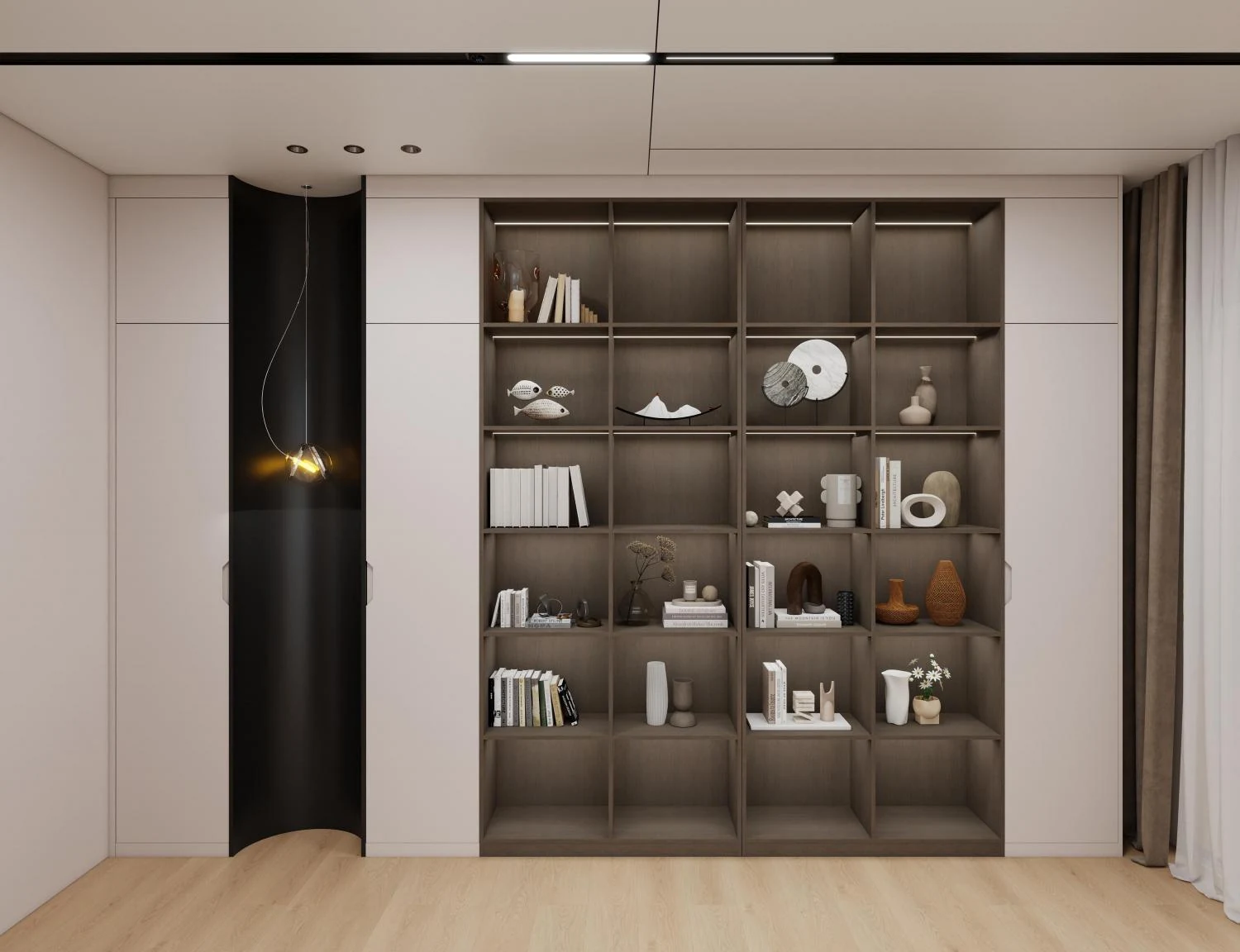
Keep ordinary references accessible while requesting a separate closed section for restricted items.
Discuss This Layout
Use a smaller cabinet layout with a precise statement of contents, users and the required locking scope.
Discuss This LayoutCompare the related collections for the storage and furniture around this part of the room.
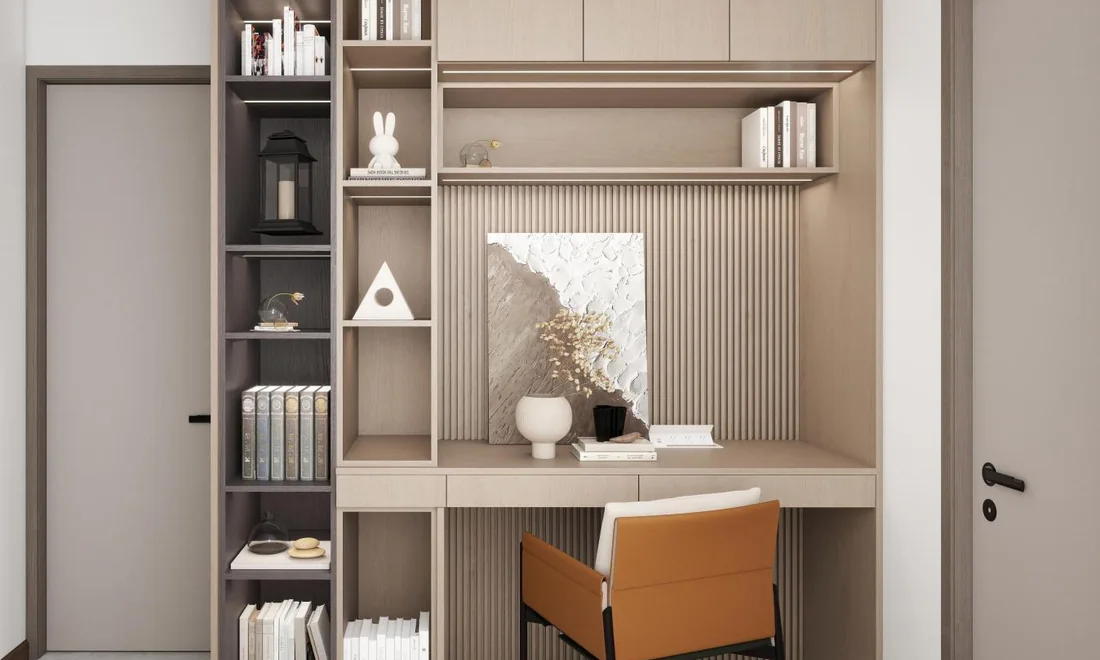


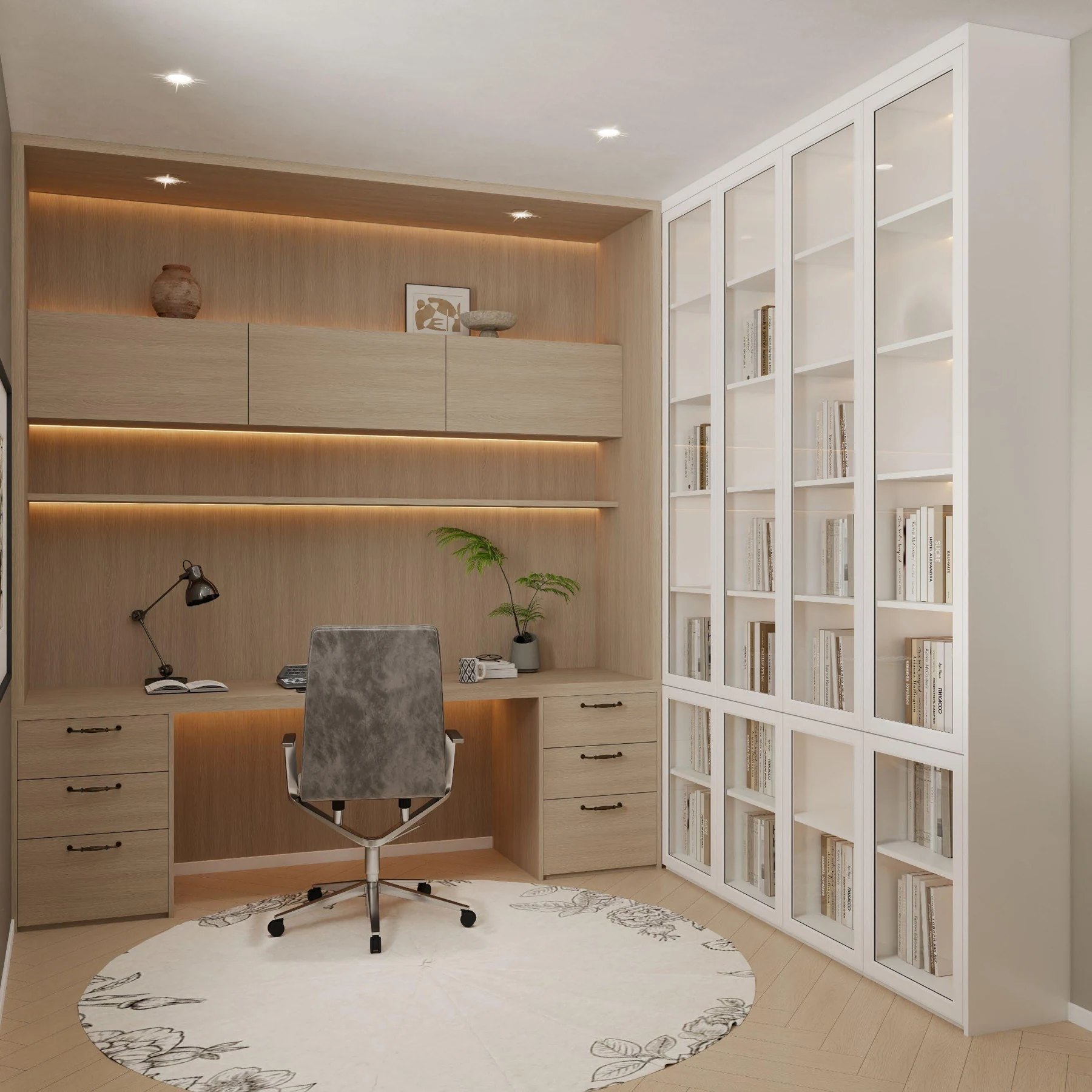
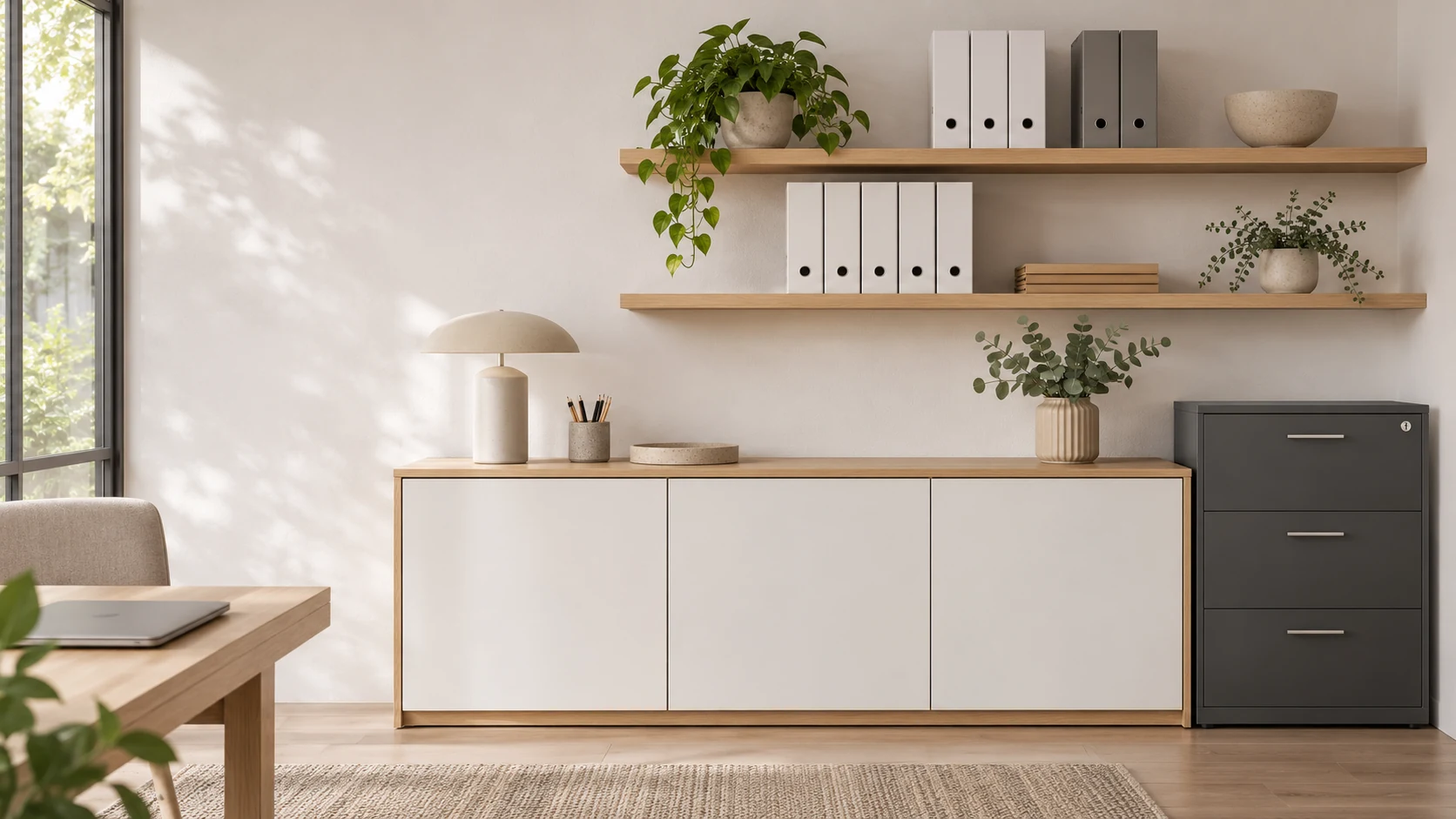
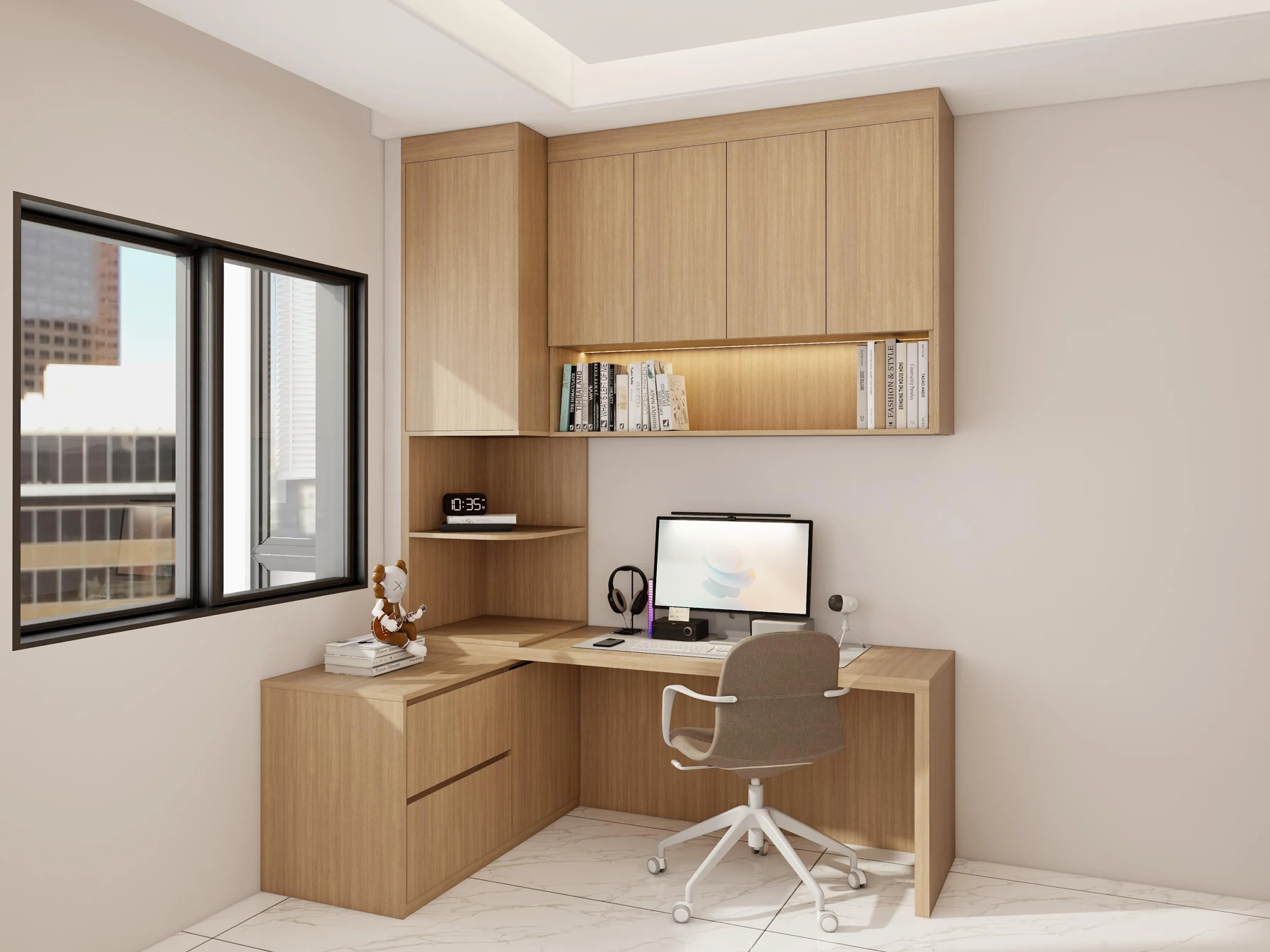

05 / Room Fit
Record the space and the people who use it. A clear access requirement connects the cabinet, its position and the chosen lock arrangement.

Measure the available width, height and depth and identify where the cabinet will stand.
06 / Storage Tasks
Select the storage task closest to your project. The items, access and actual configuration can then be reviewed together.
Storage task / 01
Describe the items and the user assigned to that section. Request the compatible lock and the agreed key arrangements.
Added to your brief: Individual storage
Choose Configuration ↗07 / Configuration
Choose the part of the cabinet that needs controlled access. Actual lock types, compatibility and availability are confirmed for the selected configuration.
Add the preferred appearance and any extra requirement. Confirm the actual components and included work for the selected cabinet.
08 / Supply Scope
A cabinet appearance does not establish a lock specification. Compare the selected hardware, locking scope and access arrangements alongside the cabinet schedule.

| Scope | Check against the agreed brief |
|---|---|
| Cabinet & sections | Which doors, drawers or compartments are included |
| Actual lock arrangement | Compatible hardware, operating method and locking scope |
| Keys & users | Number or arrangement of keys, user allocation and replacement process |
| Scope & limitations | Any independently specified protection requirement and the exact included service |
09 / Ordering
Keep the intended storage, room information and approved references connected at each stage.
Your next action
Send dimensions, quantities and reference images for your lockable office cabinets. Include the storage tasks and the destination.
Room information · Contents · References
10 / Practical Questions
Practical answers about the selected cabinet, its use and the project requirements.
No. A basic lock does not establish those properties. If tested protection is required, specify it separately and request appropriate documentation for the actual product.
That depends on the selected construction and locking system. State the desired scope and ask for confirmation of the compatible arrangement.
Describe the compartment allocation and who needs access. Confirm the available lock and key arrangement rather than assuming that every layout supports it.
Ask for the process, references and any applicable conditions for the selected lock system to be identified before the order is confirmed.
Provide the contents, users, cabinet dimensions, layout reference and the sections to lock. Add any separately required protection standard or site requirement.
Request it as an option and confirm compatibility, the selected hardware and any changes to the cabinet construction. Do not assume every reference layout can use the same lock.
11 / Project Brief
Your layout, dimensions and configuration choices are gathered here. Add the destination and the remaining requirements to prepare a project discussion.
Your choices, together
We use your details to review and respond to this enquiry. Sending it does not place an order. Privacy Policy